
The Making of Hans Meyer’s Public Image
The Collini CaseHans Meyer’s celebrated public reputation collides with the private family memories and wartime records that emerge after his death.
increasing Bearing strength in each event
 decreasing
Bearing strength in each eventdecreasingIndustrial Patriarch

Industrial Patriarch
A rebuilt enterprise
Hans Meyer develops the family firm into a major international company and becomes a wealthy, respected industrialist. His public standing is supported by his work and national honors.
The household world
At Rossthal, he is also a patient presence in the lives of children. His kindness and attention become the basis of Leinen’s affectionate memories.
A Grandfather’s Care

A Grandfather’s Care
A patient teacher
Meyer teaches the boys practical skills, plays chess, and gives them space to explore the grounds. He offers a warmth that Leinen rarely finds in his own childhood home.
Lasting attachment
These ordinary acts make the later revelation painful. Leinen’s defense cannot simply replace a beloved grandfather with a villain; it must hold the contradictory memories together.
A Wartime Command
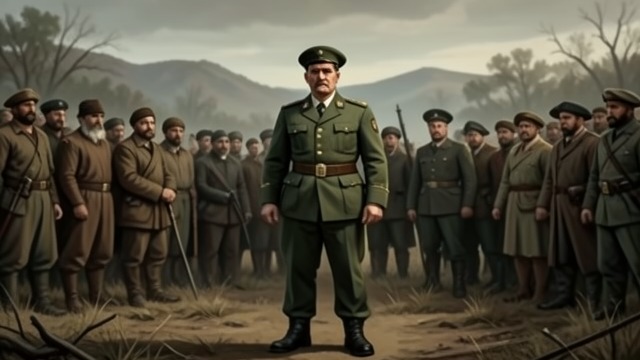
A Wartime Command
The reprisal operation
Records and testimony place Meyer in command when twenty Italian prisoners are executed after a bombing. The men had not been identified as the perpetrators of the attack.
A hidden past
The action sits behind the respected postwar public figure, largely absent from the family stories Leinen knew. It becomes essential to understanding why Collini selected Meyer decades later.
An Investigation Abandoned
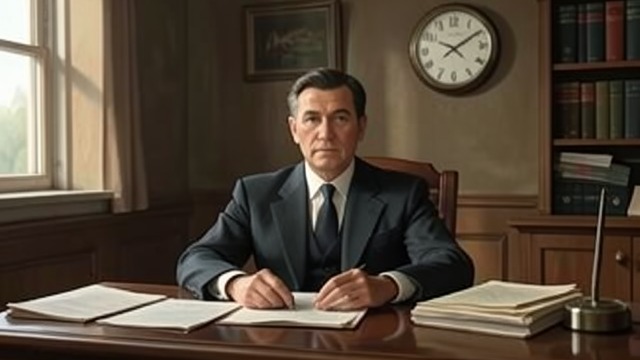
An Investigation Abandoned
A complaint receives no hearing
Fabrizio Collini reports Meyer’s wartime role to the authorities, but Meyer is never questioned or charged. The case does not resolve the substance of the allegation.
Reputation preserved
The proceedings end under a limitation rule, allowing public esteem and legal closure to coexist without a trial of Meyer’s conduct. The file survives as an unsettling counter-history to his reputation.
The Name in Court

The Name in Court
Reputations collide
Mattinger initially argues that Meyer acted within the law then in force, resisting the portrayal of the victim as a murderer. The archive later reveals that the investigation ended for a different legal reason.
No simple replacement
The revelations do not erase Meyer’s kindness to his family or determine the legal outcome of the present murder. They make his life harder to reduce to either public hero or private criminal.
After the Second World War
Leinen and Philipp’s childhood summers
In 1944, during the German occupation of Genoa
1968 to 1969
During the murder trial
